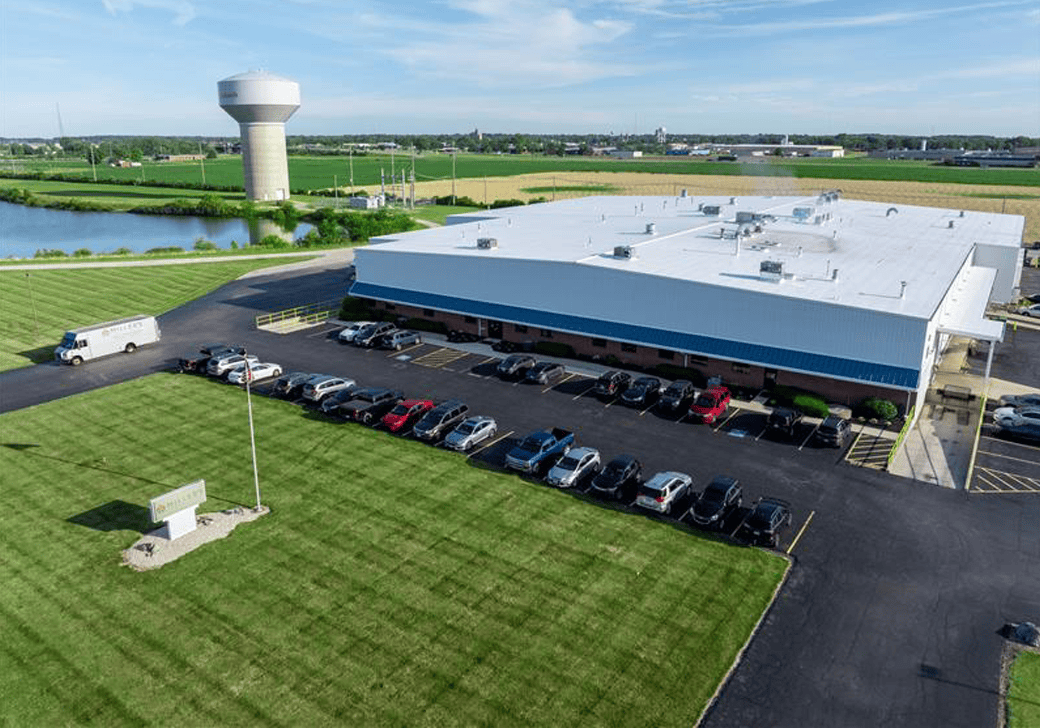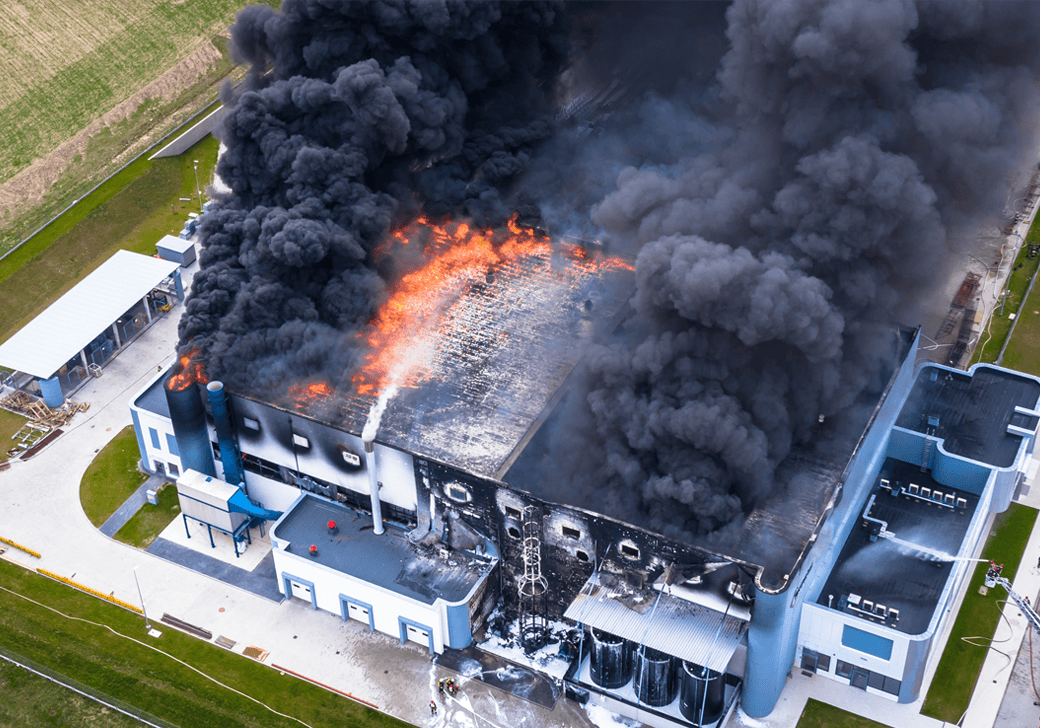

CleanCare, a healthcare and hospitality launderer based in Pittsburgh, recently experienced a significant fire at its food-and-beverage (F&B) plant. Textile Services Weekly recently interviewed COO Jason Preffer on the fire and its aftermath. We’ll feature his responses in an article on fire-prevention strategies in the March issue of Textile Services magazine. Highlights of our discussion of the fire that occurred on April 26, 2025, follow below.
Are you handling clean-side towel processing any differently since the fire?
We make sure that all bar towels and microfiber towels are completely processed every day. Should we, for some reason, be unable, they are put outside. Wet mops and kitchen towels are checked for temperature before leaving.
I’m guessing the fire happened after hours; did a smoke alarm activate, or did another system help limit the damage?
Our F&B plant is closed over the weekend. The fire alarm went off at roughly 9:30 a.m., Saturday. The fire department’s response was very quick. However, the old section of the plant (no sprinkler system) is where the fire started. The newer side is sprinkled. This probably helped prevent the spread. Had this happened on a Tuesday, I believe it would not have been a situation.
Did you have any reciprocal agreements with other companies before the fire? (You had extra plants in Pittsburgh, Buffalo and Cleveland, so maybe this wasn’t needed when the fire struck.)
We do have reciprocal agreements in place. However, we did not have to use them. We added additional shifts at our other plants, and worked closely with our vendors to provide product daily.
Do you see value in reciprocal agreements now, in the aftermath of the fire?
Simply put, there is always value in good partnerships and friends.
Did insurance cover a significant portion of the damage? Have rates now increased?
This event showed the need for good insurance from a reliable carrier. Insurance helped a lot, and of course rates have increased.
Since the fire, have you considered installing heat-sensing equipment to alert staff to a potential case of spontaneous combustion?
We have added the Quanturi system to track temperature in individual loads and are currently installing cameras with AI technology to detect heat. Quanturi is a wireless temperature‑monitoring and early fire‑detection system designed for commercial laundries. (Click here for details).
Immediately after the fire, how did you handle the next day’s orders?
We had some routes loaded, which helped. We started processing at our other Pittsburgh plant immediately, and our primary linen supplier jumped right into action to help get us product.
Having been through this situation, do you have any advice for other operators?
Don’t ever think it won’t happen to you. From being in the industry for 20-plus years and working for several companies, everything we did was within “normal” SOPs (standard operating procedures). And it still happened. Go above and beyond when and where you can, and that means for your people as well as your systems. We asked our people to move mountains after it happened, and they did.
Look for more on fire-prevention protocols in next month’s Textile Services magazine.


Sign Up For Our Newsletter
Receive the latest updates on the linen, uniform and facility services industry from TRSA delivered straight to your inbox.