
Today’s laundry operators face a dizzying array of challenges … from workforce and technological changes to regulatory issues, inflation and more. Below, in excerpts from a forthcoming article in Textile Services magazine, TRSA President and CEO Joe Ricci outlines the association’s responses.
What issues do member companies face today?
Two years ago, many conversations centered on whether to invest in new technology. Today, operators are being much more candid about the reality that adopting new technology is harder than the investment decision itself. Leaders talk about the complexity of integrating systems across plants and operations and preparing their workforce for new tools.
The focus has shifted from aspiration to execution – what it really takes to make automation, AI and data-driven systems work every day. Return on investment is also a more immediate concern. Operators want to know whether technology investments will truly deliver better services and customer experiences – not just empty promises.
At the same time, operators are being more honest about labor challenges, especially skills gaps. Higher wages have helped, but not solved, persistent shortages. There’s growing recognition that technology depends on people -automation can reduce labor pressure, but only if employees are properly trained and systems are maintained by skilled technicians and maintenance staff.
What are some challenges facing smaller and midsize operators?
Small and midsize operators tend to feel labor and technology pressures more acutely. Labor shortages and wage inflation make automation important. But smaller firms often lack the capital and infrastructure needed to adopt new technology at the same pace as larger competitors.
That said, smaller operators are among the scrappiest in the business, and they can still compete effectively when agility, quality and strong customer relationships matter.
What technology gaps do you see emerging if operators fail to keep up?
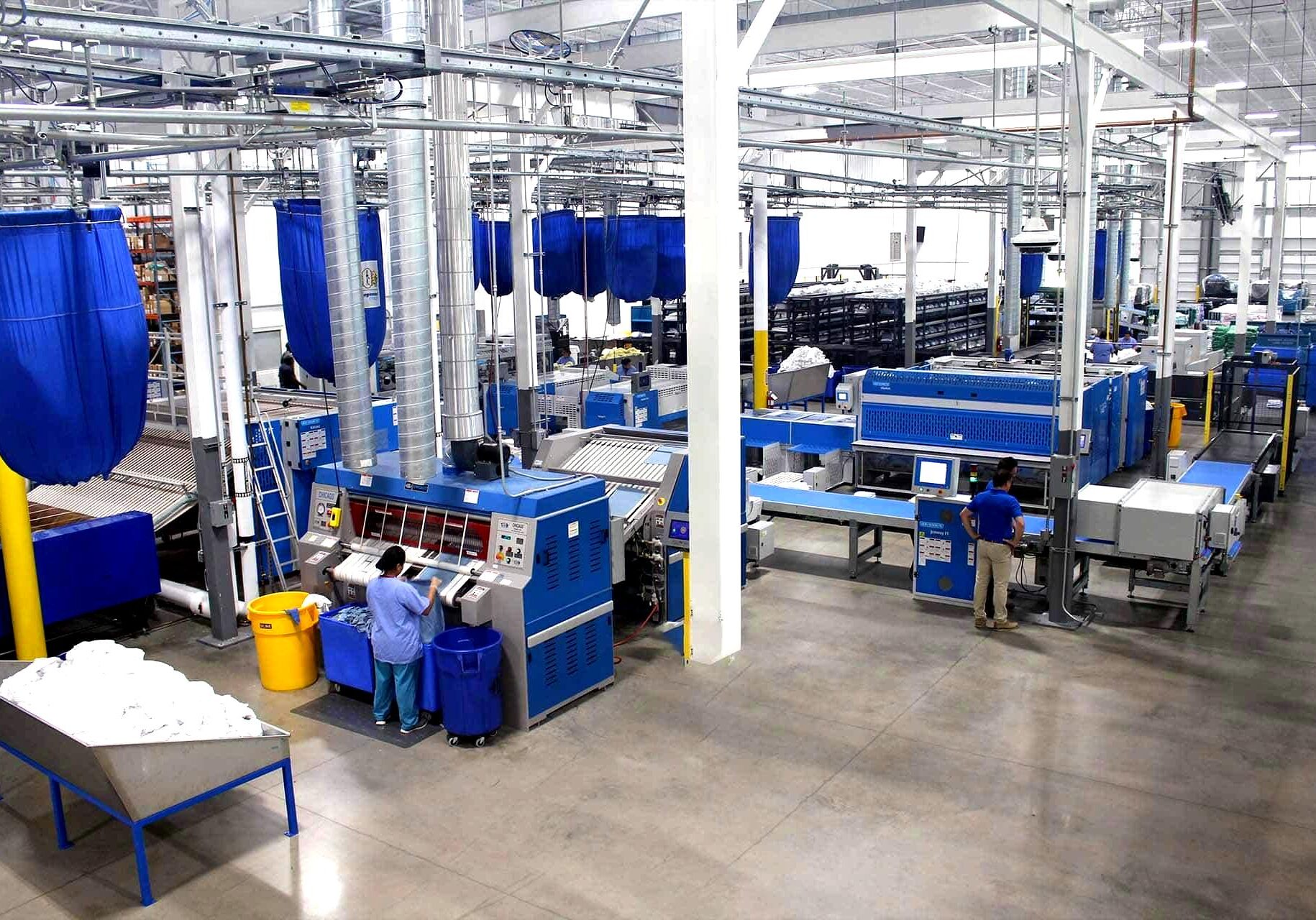
Wash-aisle automation and soil-sort automation are two examples of technological improvements that are already delivering strong value across the industry.
Material handling paired with RFID and production visibility is another area where the baseline is shifting. Overhead movement systems – rails, monorails and conveyors – combined with tracking software – are no longer “advanced” solutions; they’re becoming standard. Those who remain cart-based and data-blind will struggle with efficiency, safety and service quality.
Similarly, technologies that help optimize water, heat and energy consumption are now proven tools. The real regret won’t be missing the latest innovation – it will be paying higher utility costs when these common-sense upgrades would have delivered savings.
Where is TRSA directing its time and resources in 2026?
Advocacy remains a top priority with a focus on protecting and advancing a vibrant and resilient industry. For example, we’re advocating for policies that encourage greater adoption of hygienically clean reusable healthcare textiles, including efforts in key states and with federal lawmakers in Congress and the CDC (Centers for Disease Control and Prevention).
We’re actively engaged on tax and regulatory issues across multiple states, with recent wins and ongoing efforts aimed at reducing costs and improving regulatory certainty for operators. In addition, we’re addressing emerging PFAS-related regulations and developing new tools and guidance to help members navigate these new requirements.
Providing strong certification and education programs remains an important goal. We continue to grow our Hygienically Clean certification program, and we’re in the process of updating our Clean Green standards.
Which near-term trends will have the greatest impact on the industry?
Workforce capability will be one of the most decisive factors shaping the industry’s future. The biggest constraint isn’t simply labor availability, but rather having the technical and leadership skills required to operate increasingly automated, data-driven businesses.
Consolidation will also continue to reshape the industry’s competitive landscape. Scale will continue to matter, but it will also push smaller and midsize operators to differentiate through specialization, service quality and by offering a more personal customer experience. At the same time, customers want better data, transparency and responsiveness, which will force operators to rethink systems, service models and employee training.
Finally, culture, ethics and sustainability will remain strategic priorities. Trust, values and environmental stewardship will influence customer decisions, workforce development and long-term resilience.
Editor’s Note: For these comments, Ricci drew on recently completed industry research and a new report based on one-on-one discussions with scores of senior leaders. Click here to preview a PDF version of the full article that will run in the March issue of Textile Services. Further discussion of the issues noted above is expected at the TRSA Annual Conference & CEO Summit this May 12-14 in Napa, CA.



Sign Up For Our Newsletter
Receive the latest updates on the linen, uniform and facility services industry from TRSA delivered straight to your inbox.