
The Ohio House Health Committee heard testimony on Nov. 10 on House Bill 863, legislation designed to strengthen healthcare preparedness by increasing the use of reusable infection-prevention textiles. The hearing was the committee’s second on the bill and featured testimony from a pair of prominent members of the linen, uniform and facility services industry.
Representing the industry were Jennifer Peroli, president of Liniform Service, Barberton, Ohio; and Troy Girty, national healthcare garment dispensing specialist for Cintas Corp., Mason, Ohio.
Speaking on behalf of TRSA and its members, Peroli emphasized that Ohio’s linen, uniform and facility services industry has the workforce, infrastructure and expertise needed to support healthcare facilities. According to TRSA, the industry operates 112 facilities in Ohio and employs approximately 6,000 people.
HB 863 would require at least 50% of a healthcare facility’s operating threshold of designated infection-prevention items to consist of reusable textiles. The legislation also would require reusable products to be processed by Hygienically Clean certified facilities.
Peroli told committee members that the COVID-19 pandemic exposed the risks of depending heavily on disposable products manufactured overseas. During the crisis, Liniform worked with local healthcare providers to collect, process and redeliver reusable isolation gowns as frequently as two or three times a day, seven days a week.
“That experience showed me, in a very practical way, why Ohio needs a dependable reusable-textile infrastructure before the next emergency occurs,” Peroli said.
The testimony also highlighted the economic benefits of reusable healthcare textiles. Ronald Reagan UCLA Medical Center reported more than 3.3 million reusable-gown uses, over $1.1 million in purchasing savings and 297 tons of waste diverted from landfills. Its reusable gowns can be laundered and reused 75 to 100 times.
A separate analysis drawing on data associated with 127 hospitals found nearly 50% annual savings for a representative hospital system using reusable surgical gowns. The study estimated that increasing reusable surgical-gown adoption to 90% nationwide could save the U.S. healthcare system approximately $354 million annually.
Reusable products also can help healthcare facilities meet sustainability goals. A life-cycle assessment found that reusable isolation gowns reduced greenhouse-gas emissions by 30% and energy consumption by 28% compared with disposable alternatives.
The hearing is another step toward TRSA’s efforts to increase the amount of reusable healthcare textiles as a practical way to improve emergency preparedness, control healthcare costs, reduce waste and strengthen the domestic healthcare supply chain.
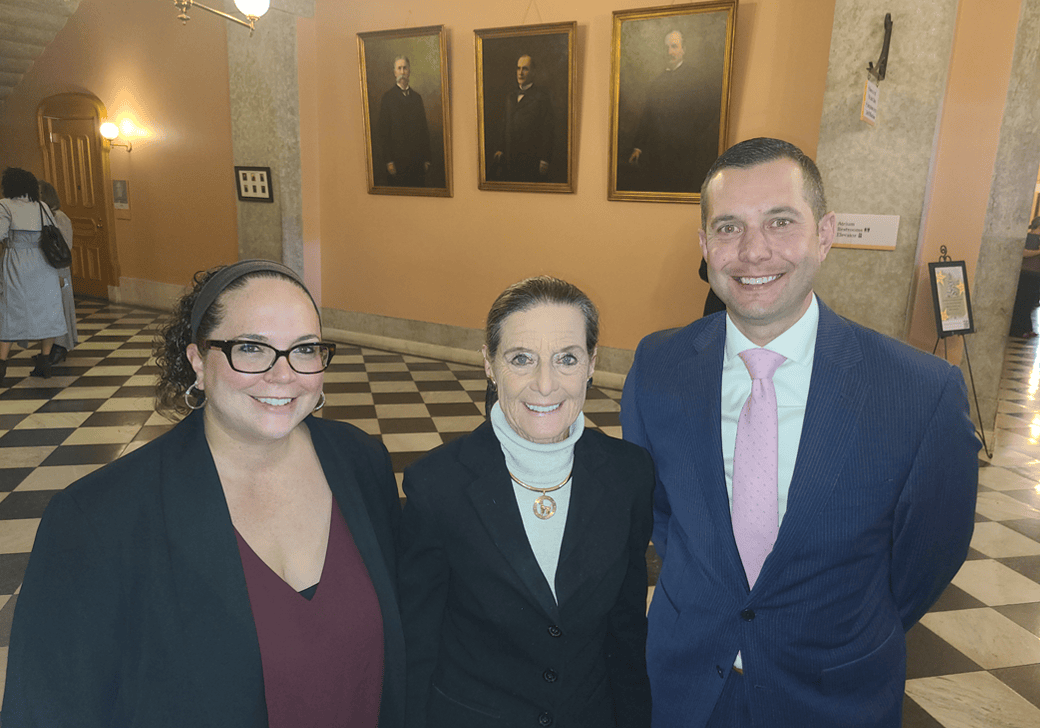
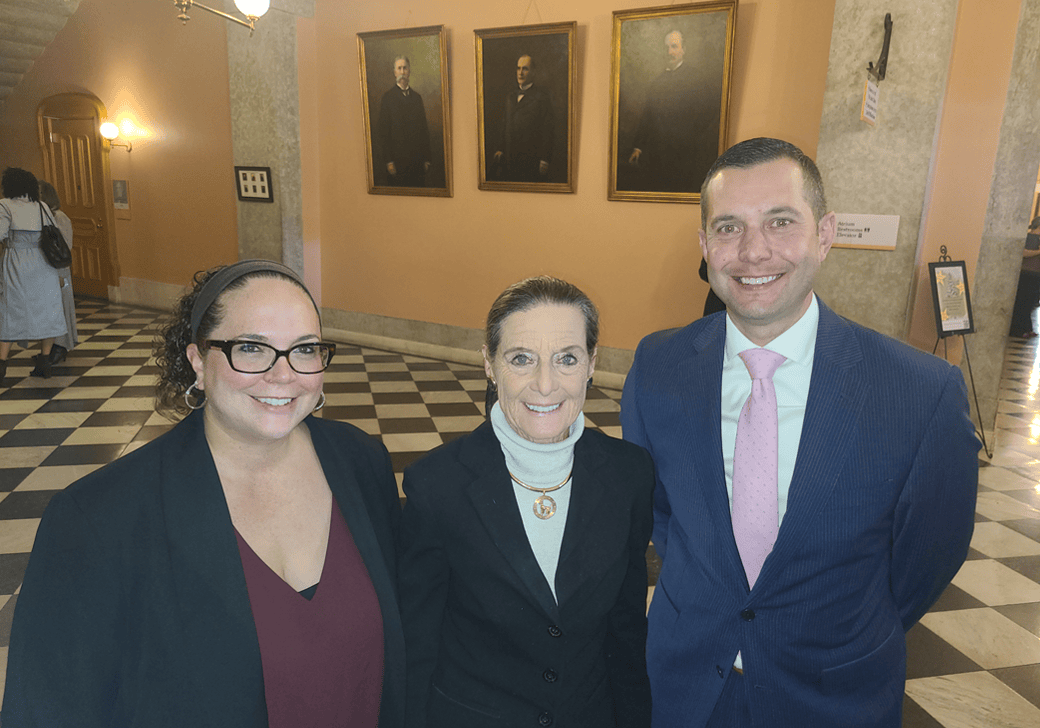
Pictured (Left to Right): Jennifer Peroli, president, Liniform Services, Barberton, Ohio; Ohio State Rep. Jean Schmidt (R-District 62); and Troy Girty, national healthcare garment dispensing specialist, Cintas Corp., Mason, Ohio


Sign Up For Our Newsletter
Receive the latest updates on the linen, uniform and facility services industry from TRSA delivered straight to your inbox.