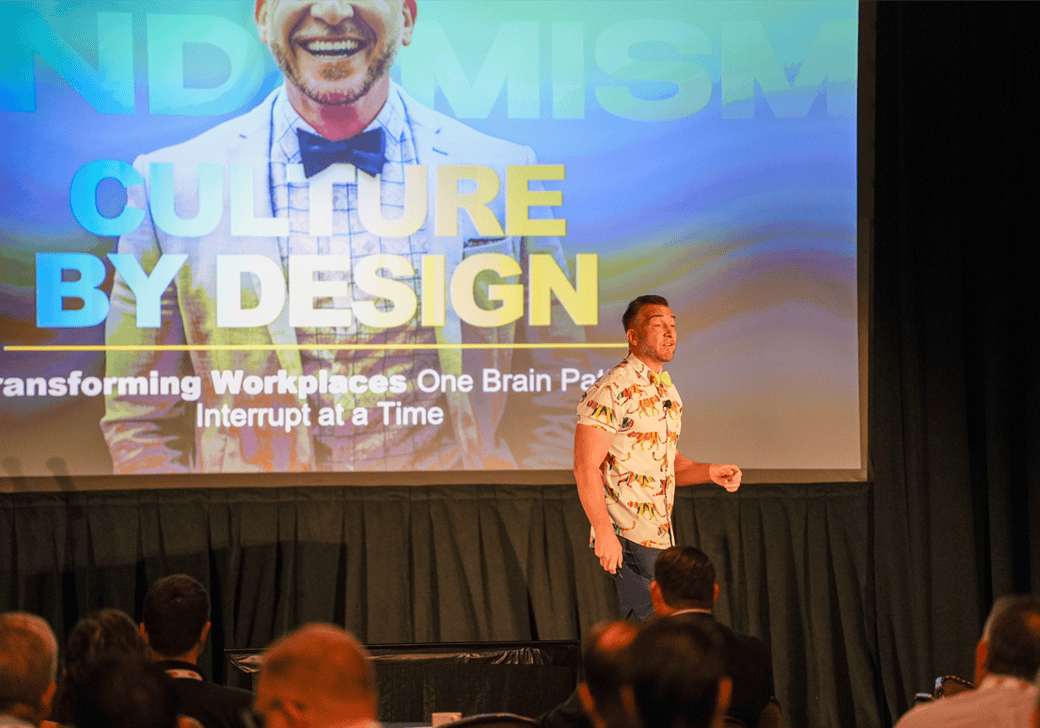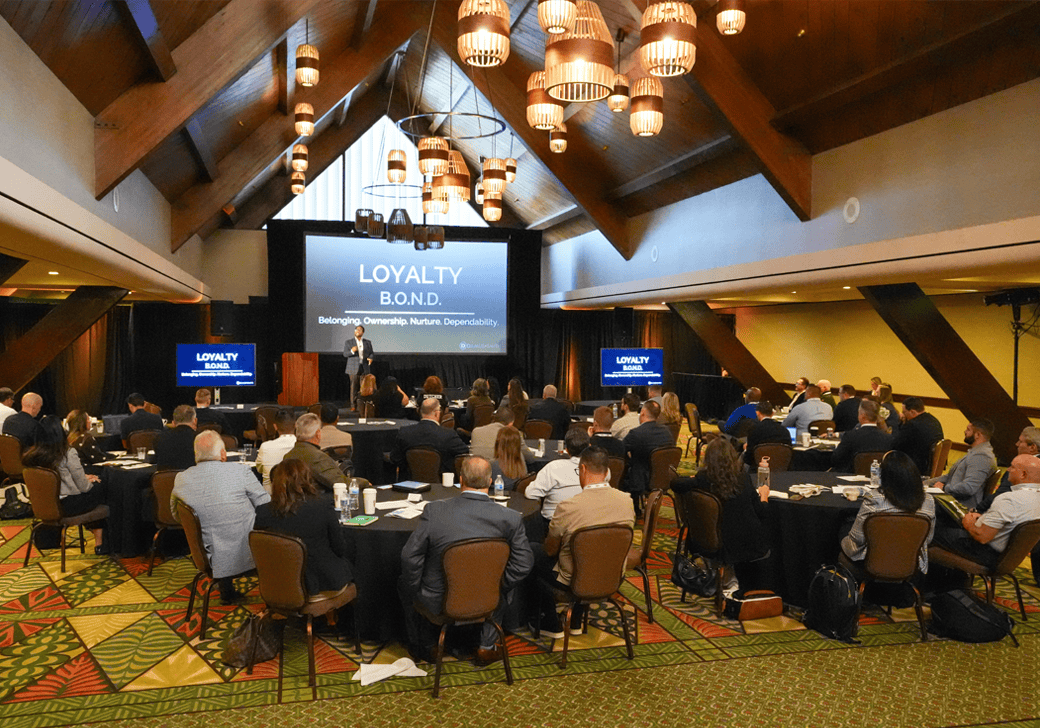

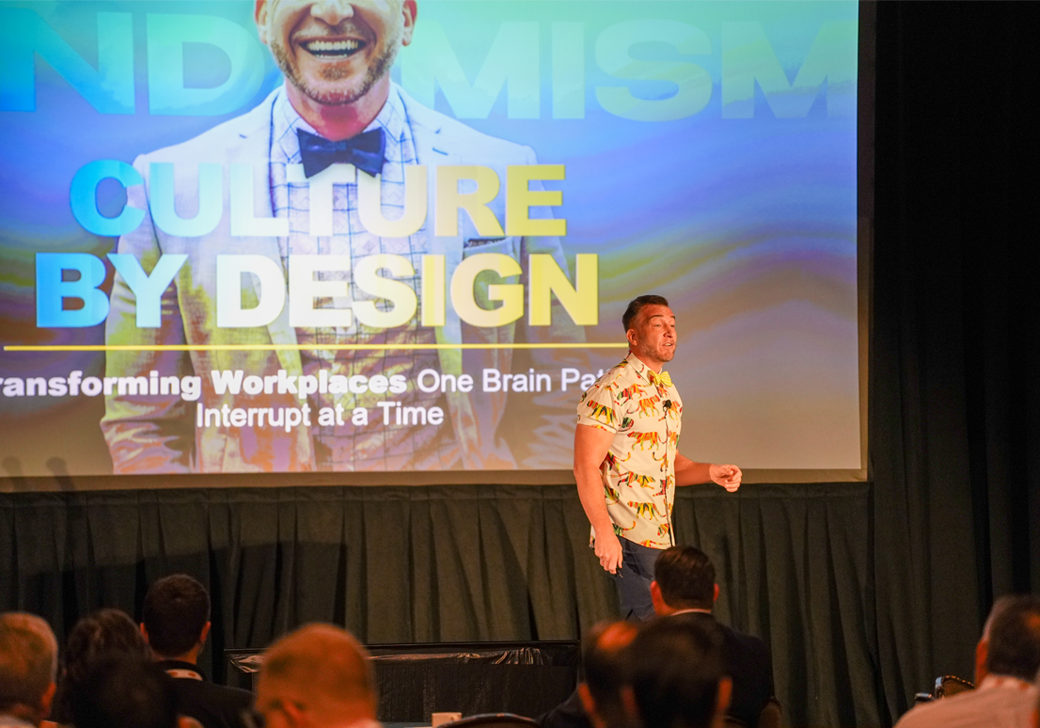
At TRSA’s 15th Annual Healthcare Conference in San Diego, keynote speaker Paul Long challenged attendees to rethink how workplace culture is created. His message was less about grand initiatives and more about the small, intentional moments that shape employee engagement, resilience and connection every day. Drawing on his concept of “Fundamism,” Long argued that leaders can transform workplaces by changing moments before those moments change them.
Five takeaways from Long’s keynote address include:
- Don’t Let a Bad Moment become a Bad Day
Long urged attendees to reconsider how they define difficult days. Too often, a challenging conversation, customer issue or operational setback overshadows everything else that goes right. Instead, leaders and employees should recognize that most days contain far more positives than negatives.
“The problem isn’t that we have bad days,” Long said. “It’s that we allow bad moments to define them.”
- Presence is a Competitive Advantage
In an industry where employees, customers and managers are juggling countless demands, Long emphasized the importance of being fully present. He argued that many communication challenges stem not from poor listening skills, but from the mental “loops” that people carry with them each day, including stress, uncertainty and distraction.
His advice: slow down, show genuine interest in others and focus on creating meaningful interactions that help people feel seen and valued.
- Culture is Built through Everyday Leadership
Long cautioned against relying solely on employee events, perks or morale programs to strengthen culture. Instead, he encouraged leaders to involve employees in defining what a positive workplace looks like and to reinforce those values through their daily actions.
For healthcare laundries and linen, uniform and facility services operations, that might mean recognizing employee contributions more consistently, asking frontline workers what would improve their shifts or celebrating the expertise developed through years of service.
- Small Interruptions can Create Big Impact
A central theme of the presentation was the concept of a “brain pattern interrupt,” which is an unexpected action or interaction that breaks routine and helps people become present again. These moments can be as simple as asking a thoughtful question, expressing appreciation or introducing humor into the workday.
Long’s message was straightforward: meaningful culture change doesn’t require massive investments. It often starts with a conversation, a recognition or a moment of genuine connection.
- Leaders Should Focus on Appreciation, Smiles and Laughter
Long encouraged attendees to approach every interaction with one of three goals: make someone feel appreciated, make them smile or make them laugh. These moments of connection not only improve relationships but also help employees move beyond the stresses and distractions that often dominate the workday.
For leaders, that means making recognition specific, showing kindness intentionally and creating opportunities for people to connect as human beings, not just coworkers.
Long’s keynote offered a practical reminder that culture is not created through mission statements or one-time events. It is built one interaction at a time. By helping employees feel appreciated, interrupting the routines that create disengagement and focusing on what they can control, leaders can create workplaces where people are more connected, resilient and engaged.


Sign Up For Our Newsletter
Receive the latest updates on the linen, uniform and facility services industry from TRSA delivered straight to your inbox.