
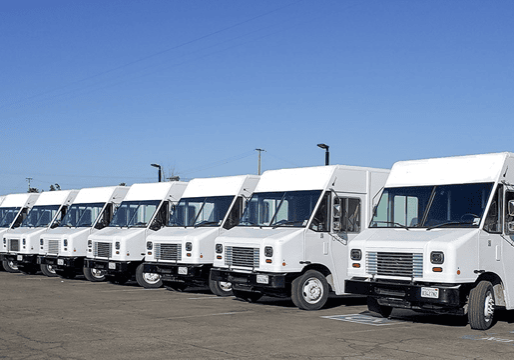
Commercial auto insurance remains one of the most difficult segments of the insurance market, driven by both claim frequency and severity. While conditions have eased somewhat in other insurance lines, commercial auto coverage continues to face pressure from escalating claim costs and the rise of so-called “nuclear verdicts,” in which jury awards far exceed the actual economic damages involved. These trends have led insurers to increase underwriting scrutiny, reduce capacity, raise premiums and deductibles, tighten coverage terms and place greater emphasis on driver qualifications, safety procedures and loss histories.
Michael Rayo, a risk advisor with Haylor, Freyer & Coon Inc., says fleet safety has become a critical factor in controlling both claims and insurance costs. In an article slated to appear in October’s Textile Services magazine, Rayo says that while no safety program can eliminate all accidents, companies that actively manage fleet risks can reduce claim frequency and severity while presenting a stronger case to insurance underwriters.
A key component of modern fleet safety is using cameras and telematics systems. These technologies provide much more than post-accident evidence. Driver- and forward-facing cameras encourage accountability and safer driving habits. At the same time, many systems use artificial intelligence (AI) to identify risky behaviors such as distracted driving, cellphone use, speeding, harsh braking, unsafe lane changes and signs of fatigue. Real-time alerts can notify drivers immediately when unsafe actions occur, allowing them to correct behavior before an accident occurs.
Operators can also use the information collected through cameras and telematics to create driver scorecards. These reports help managers identify trends and top performers, while providing focused coaching as needed. In addition, video footage can prove invaluable after an accident by helping establish fault, defending against fraudulent claims, and reducing the time and expense of claim disputes. However, Rayo stresses that simply installing technology isn’t enough. Underwriters increasingly want evidence that companies actively review driving data, conduct coaching sessions, enforce disciplinary procedures when necessary and maintain clear policies on how the technology is used.
Training is another key element of an effective fleet-safety program. Rather than limiting instruction to annual meetings or post-accident reviews, successful fleets incorporate consistent, ongoing education. Many companies hold brief weekly safety meetings that reinforce expectations and address recent driving concerns. Telematics and camera data make these discussions more effective because managers can focus on real fleet issues, including backing accidents, following distance, intersection awareness, speed management, weather-related hazards and fatigue prevention. Regular training, documented with attendance records and follow-up actions, also provides valuable evidence that a company is actively managing its risks.
Strong safety programs start with leadership. Ownership and senior management must demonstrate a genuine commitment to safety through active participation in meetings, regular review of fleet performance and support for driver coaching and corrective action. Employees quickly see whether safety is a true company priority or just a written policy. If managers ignore unsafe practices in favor of operational efficiency, safety initiatives lose credibility.
Operational decisions can also influence risk. In some cases, adding driver helpers or two-person crews may reduce fatigue, improve backing procedures, assist with challenging deliveries and lower accident rates. Although these measures increase labor costs, organizations may offset them through fewer claims, reduced disruptions and improved insurance results.
Driver retention plays an equally important role. Experienced drivers bring valuable knowledge of routes, vehicles and company procedures, while high turnover increases risk and weakens safety culture. Rayo recommends using telematics data not only to identify problems but also to reward strong performance. Incentive programs that recognize measurable safety behaviors through bonuses, gift cards, paid time off or public recognition can encourage drivers to remain engaged and committed to safe practices. Tie rewards to performance metrics rather than simply the absence of accidents to avoid discouraging incident reporting.
Watch for more in Rayo’s article, titled, “Fleet Safety in a Challenging Commercial Auto Insurance Market” in October’s Textile Services magazine. Click here for more information on Textile Services.


Sign Up For Our Newsletter
Receive the latest updates on the linen, uniform and facility services industry from TRSA delivered straight to your inbox.