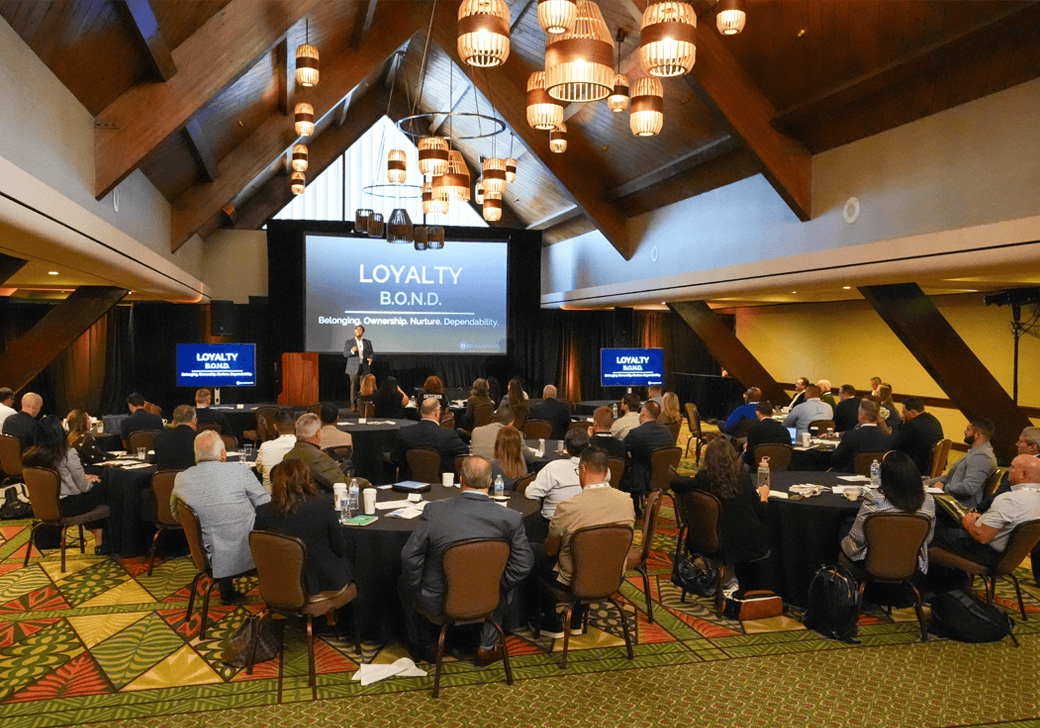


Supply chain leaders at the TRSA Annual Conference & CEO Summit discussed how operators and suppliers are adapting purchasing and inventory strategies amid tariffs, geopolitical uncertainty, evolving customer demands and emerging technologies.
Panelists included Gilbert Hernandez, director of textile distribution at Division Laundry; Jenny Shi, senior supply chain manager, North America, at Alsco; and Tony Cloud, vice president of plant operations at Pellerin Milnor Corp.
Takeaway 1. Supplier diversification has become the new normal.
Panelists said many organizations have shifted away from relying heavily on a single supplier. Lessons learned during the pandemic prompted companies to expand supplier networks and establish backup sources to reduce risk and improve flexibility.
Several speakers noted that working with multiple suppliers can also create competitive pricing and help companies respond more quickly to disruptions.
Takeaway 2. Tariffs and geopolitical issues continue to influence purchasing decisions.
Speakers discussed how tariffs, labor disruptions and global instability are reshaping supply chain planning. While some companies have limited exposure because they source many products domestically, others are re-evaluating sourcing strategies and inventory levels to reduce vulnerability.
Panelists also noted that some suppliers have increased minimum order requirements, creating additional challenges for inventory management and storage capacity.
Takeaway 3. Data is becoming more important – but historical trends are less reliable.
Panelists emphasized the growing need for faster, more actionable operational data. Companies are increasingly using reporting tools and technologies such as RFID to gain greater visibility into inventory and purchasing decisions.
At the same time, speakers cautioned that historical data alone is no longer sufficient for forecasting in today’s rapidly changing environment.
Takeaway 4. Inventory management requires balancing resilience and efficiency.
Maintaining adequate inventory without overcommitting warehouse space remains a key challenge. Panelists discussed strategies that consider factors such as supplier reliability, demand volatility and lead times.
Speakers noted that inventory approaches vary widely depending on facility size, available storage space and regional operational needs.
Takeaway 5. AI is emerging as a major long-term opportunity.
Panelists agreed that artificial intelligence is likely to have a significant impact on supply chain operations and business decision-making in the years ahead. However, many organizations are still in the early stages of evaluating AI tools and determining how best to implement them securely and effectively.
Discussions also touched on the potential workforce implications of AI, with speakers noting that while some roles may evolve, new opportunities are also expected to emerge as technology adoption expands.


Sign Up For Our Newsletter
Receive the latest updates on the linen, uniform and facility services industry from TRSA delivered straight to your inbox.