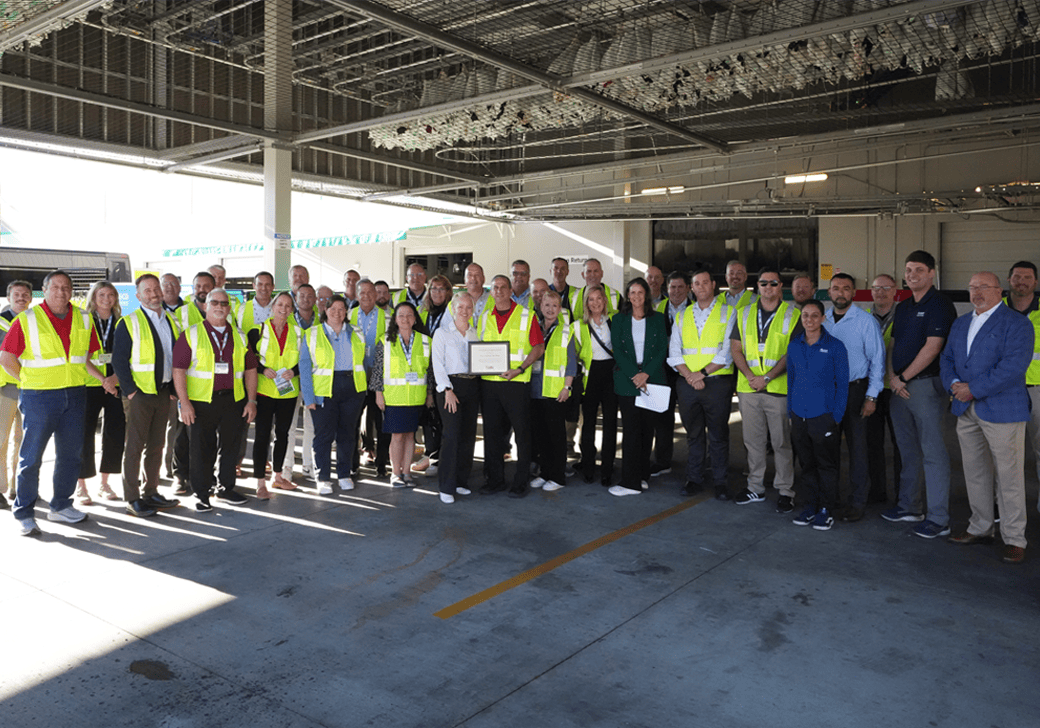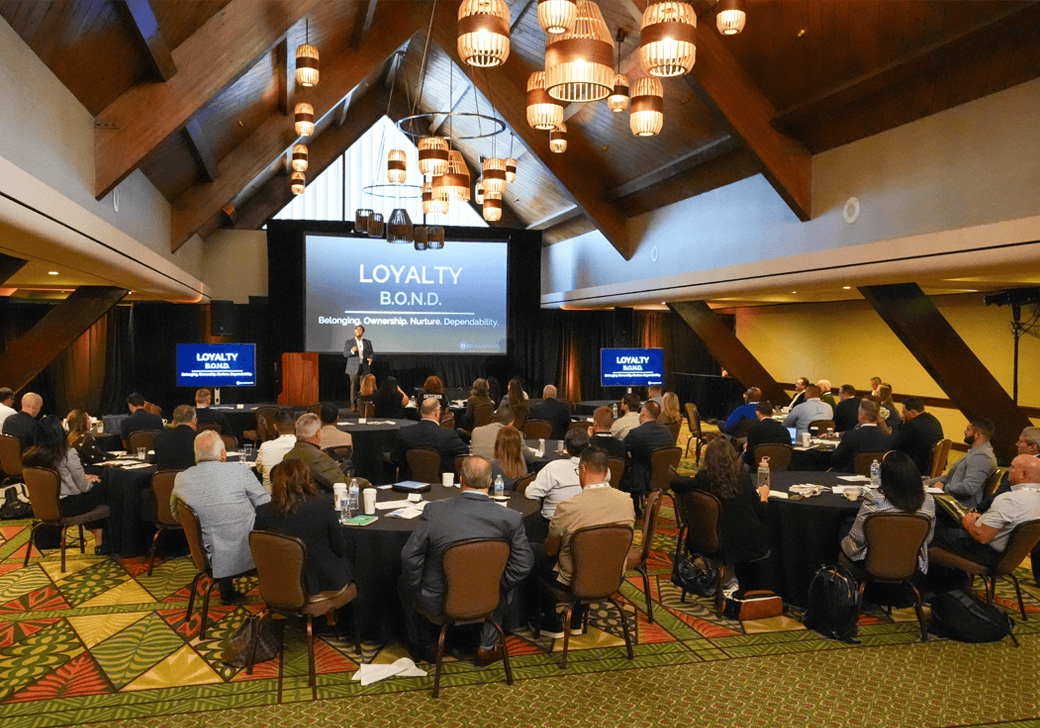

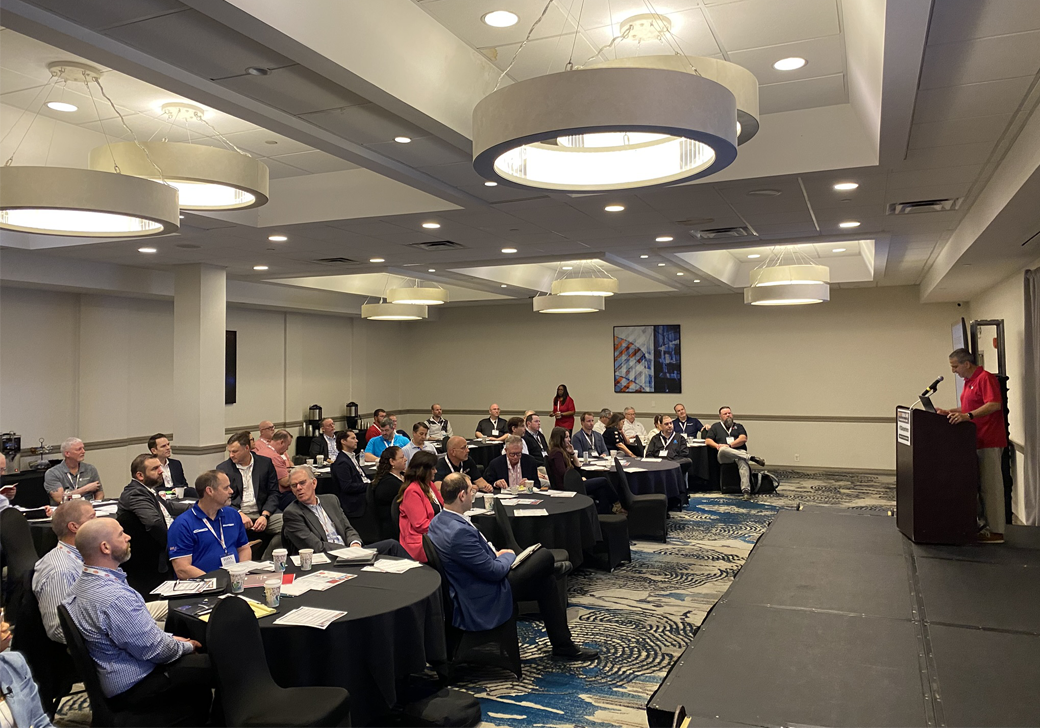
The nearly 60 attendees of TRSA’s Midwest Summit benefited from a day-long agenda of sessions providing practical advice for short-term decision-making and insights for strategizing. The Livonia, MI, event on April 15 focused on challenges and opportunities facing the industry’s top management as companies ponder investments and expenses and tackle workforce issues to remain competitive.
The agenda included six traditional seminar-type sessions and facilitated roundtable discussions enabling the audience members to share experience on topics discussed in those sessions. Panelists and presenters of the sessions sent attendees home with ideas to improve practices that:
Decrease vulnerability to workplace conflict and violence. Kenneth Wolf, Ph.D., CEO, Incident Management Team. Click here to view a related article on Dr. Wolf’s presentation.
Use public agencies to support employee recruiting efforts. Greg Handel, chief education and talent officer, Detroit Regional Chamber; Dana Williams, former president and CEO, Detroit Employment Solutions Corporation (DESC).
Adopt technologies based on data produced by existing systems. Panel with Bob Fesmire, CEO, EllisLudell; Anders Hansen, SSC Operations VP; Tom Abbett, business development director, Spindle Robotics. Moderated by Dan Sanchez, president, Sanchez Advisory Group.
Consider data from a variety of sources to improve customers’ experience with your service. Panel with Jake Gurtler, VP, corporate accounts, Gurtler Industries; Kali Sohn-Spehar, assistant GM, Sohn Linen Service; Eric Smith, product strategy director, TEXO; and Andrew Thornbury, president, Miller’s Textile Services.
Take steps to modernize an existing plant. Robert Hardeman, GM, WSP Systems North America, citing the company’s work at Miller’s.
Rounding out the agenda was a CEO/executive session with Jason Feldman, co-president, Economy Linen & Towel Service; Ed McCauley, president and CEO, United Hospital Services; and John Shoemaker, senior VP, General Linen & Uniform Service. Among their topics:
- Productivity. Identified aspects of the industry’s business likely to be affected by AI, supporting revenue generation and/or cost control. Highlighted potential for time-saving.
- Growth. Speculated on markets that could produce new business, likelihood that operators will focus on traditional core competence and benefit from further penetration of existing markets.
- Labor. What comprises a laundry workplace in which employees wish to remain. Where wage levels are headed for various skill-level positions in an age of state-mandated minimum wage increases and inflation.
- Other Expenses. Possibly greater impacts of tariffs on merchandise and machinery; geopolitical conflict on energy. Water and sewer cost rise possible.



Sign Up For Our Newsletter
Receive the latest updates on the linen, uniform and facility services industry from TRSA delivered straight to your inbox.